
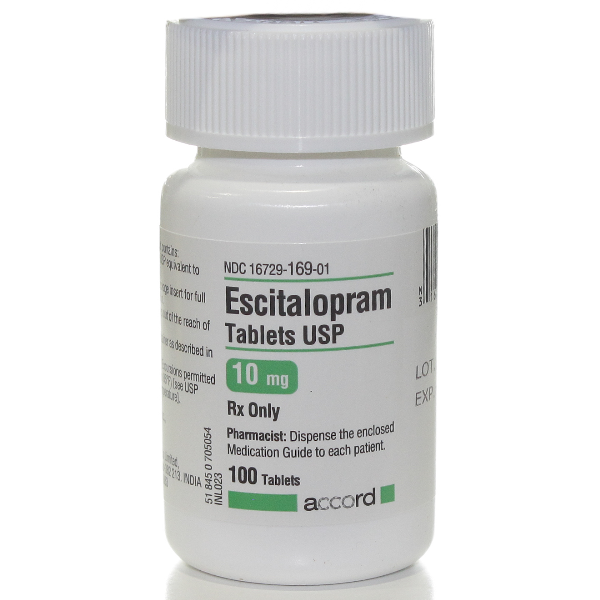
Buy Escitalopram Online | Escitalopram 100Tablets
Price range: € 150,00 through € 250,00
Escitalopram, widely known by the brand name Lexapro, is a selective serotonin reuptake inhibitor (SSRI) that has become one of the most frequently prescribed antidepressants since its approval in 2002. As the pure S-enantiomer of citalopram, escitalopram offers improved efficacy with potentially fewer side effects at lower doses.
Buy Escitalopram Online: Complete Medical Guide for Depression and Anxiety Disorders
Escitalopram, widely known by the brand name Lexapro, is a selective serotonin reuptake inhibitor (SSRI) that has become one of the most frequently prescribed antidepressants since its approval in 2002. As the pure S-enantiomer of citalopram, escitalopram offers improved efficacy with potentially fewer side effects at lower doses. This comprehensive guide provides essential information about escitalopram’s uses, dosage guidelines, potential side effects, risks, and important safety considerations for patients and healthcare providers. Buy Escitalopram Online
What Is Escitalopram and How Does It Work? Buy Escitalopram Online
Escitalopram belongs to the selective serotonin reuptake inhibitor class of antidepressants and functions by selectively inhibiting the reuptake of serotonin (5-hydroxytryptamine or 5-HT) into presynaptic neurons. By increasing the availability of serotonin in the synaptic cleft, escitalopram enhances serotonergic neurotransmission, which is believed to underlie its antidepressant and anxiolytic effects.
Key pharmacological properties of escitalopram include:
- High Selectivity: Minimal effects on norepinephrine and dopamine reuptake
- High Affinity: Potent inhibition of serotonin transporters
- Linear Pharmacokinetics: Predictable dose-concentration relationship
- Minimal Drug Interactions: Limited effect on cytochrome P450 enzymes
Escitalopram is available in several formulations:
- Oral tablets (5 mg, 10 mg, 20 mg)
- Oral solution (5 mg/5 mL)
Medical Uses and Indications | Buy Escitalopram Online
Escitalopram is FDA-approved for several medical conditions:
Major Depressive Disorder
- Treatment of major depressive disorder (MDD) in adults and adolescents (12-17 years)
- Maintenance treatment to prevent relapse of depression
- Depressive episodes associated with bipolar disorder (with mood stabilizer)
Generalized Anxiety Disorder
- Treatment of generalized anxiety disorder (GAD) in adults
- Reduction of excessive worry and tension
- Improvement of physical symptoms associated with anxiety
Off-Label Uses
- Panic disorder
- Social anxiety disorder
- Obsessive-compulsive disorder
- Post-traumatic stress disorder
- Premenstrual dysphoric disorder
- Vasomotor symptoms of menopause
Dosage Guidelines and Administration | Buy Escitalopram Online
The appropriate dosage of escitalopram depends on the indication, patient characteristics, and response to treatment.
For Major Depressive Disorder
- Adults: 10 mg orally once daily, may increase to 20 mg daily after at least one week
- Elderly patients: 5 mg once daily, may increase to 10 mg daily
- Adolescents (12-17 years): 10 mg once daily
For Generalized Anxiety Disorder
- Adults: 10 mg orally once daily, may increase to 20 mg daily after at least one week
- Elderly patients: 5 mg once daily, may increase to 10 mg daily
Important administration considerations:
- Can be taken with or without food
- Dosage should be individualized based on response and tolerance
- Use the lowest effective dose
- Do not exceed 20 mg daily
- Do not abruptly discontinue without medical supervision
Common Side Effects
The most frequently reported side effects of escitalopram include:
- Nausea
- Insomnia or somnolence
- Increased sweating
- Fatigue
- Decreased libido
- Anorgasmia
- Ejaculation delay
- Dry mouth
- Diarrhea
- Constipation
- Dizziness
- Headache
- Tremor
These side effects may decrease as your body adjusts to the medication. However, if they persist or worsen, contact your healthcare provider.
Serious Risks and Warnings
Suicidality
Antidepressants, including escitalopram, may increase the risk of suicidal thoughts and behaviors, particularly in children, adolescents, and young adults (under 24 years). Close monitoring is essential, especially during the first few months of treatment or dose changes.
Serotonin Syndrome
Serotonin syndrome, a potentially life-threatening condition, may occur when escitalopram is taken with other serotonergic agents. Symptoms include:
- Agitation
- Hallucinations
- Coma
- Fluctuating blood pressure
- Hyperreflexia
- Diaphoresis
- Tremor
- Incoordination
QT Prolongation
Escitalopram can cause QT interval prolongation, which may lead to serious arrhythmias. Risk factors include:
- Pre-existing heart conditions
- Electrolyte disturbances
- Concomitant use of other QT-prolonging medications
- Doses above 20 mg daily
Hyponatremia
Escitalopram may cause hyponatremia (low sodium levels), particularly in elderly patients, those taking diuretics, or those with volume depletion.
Drug Interactions
Escitalopram can interact with numerous medications, potentially causing serious adverse effects:
Major Interactions
- MAO inhibitors (isocarboxazid, phenelzine, selegiline, tranylcypromine)
- Other SSRIs, SNRIs, tryptophan
- Linezolid
- Methylene blue
- Pimozide
- Other QT-prolonging medications
Moderate Interactions
- Other serotonergic agents
- NSAIDs
- Aspirin
- Warfarin
- Lithium
- St. John’s Wort
Always inform your healthcare provider about all medications, supplements, and herbal products you use before starting escitalopram.
Special Precautions and Contraindications
Escitalopram should not be used in certain situations:
- Hypersensitivity to escitalopram or citalopram
- Concomitant use of MAO inhibitors
- Concomitant use of pimozide
- Concomitant use of linezolid or IV methylene blue
Use with caution in patients with:
- Bipolar disorder (may induce mania)
- Seizure disorders
- Liver impairment
- Kidney impairment
- Heart disease or QT prolongation risk factors
- Bleeding disorders
- Hyponatremia risk factors
- History of mania
- Pregnant or breastfeeding women
Discontinuation and Withdrawal
Abrupt discontinuation of escitalopram may cause withdrawal symptoms, including:
- Dizziness
- Sensory disturbances
- Anxiety
- Irritability
- Agitation
- Confusion
- Headache
- Insomnia
- Nausea
Discontinuation should be gradual, with dose reductions over several weeks to minimize withdrawal symptoms.
Overdose Recognition and Management
Symptoms of escitalopram overdose may include:
- Dizziness
- Somnolence
- ECG changes (QT prolongation)
- Tremor
- Agitation
- Convulsions
- Coma
- Serotonin syndrome
Escitalopram overdose is a medical emergency requiring immediate attention. Treatment is primarily supportive and symptomatic.
Legal and Regulatory Status | Buy Escitalopram Online
Escitalopram is classified as a prescription medication in the United States and is not a controlled substance. Regulations regarding prescription and dispensing vary by jurisdiction.
Storage and Disposal | Buy Escitalopram Online
- Store at room temperature, away from moisture and heat
- Keep out of reach of children and pets
- Secure storage to prevent misuse
- Properly dispose of unused medication through drug take-back programs or following FDA guidelines
Patient Education Tips
- Take escitalopram exactly as prescribed
- Do not abruptly discontinue without medical supervision
- Report any worsening mood or suicidal thoughts immediately
- Be aware of potential sexual side effects
- Avoid alcohol while taking escitalopram
- Do not drive or operate machinery until you know how escitalopram affects you
- Keep follow-up appointments and communicate any changes in your condition
Escitalopram vs. Other SSRIs
| Feature | Escitalopram | Sertraline | Fluoxetine | Paroxetine |
|---|---|---|---|---|
| Half-life | 27-32 hours | 26 hours | 1-3 days (active metabolite 7-15 days) | 21 hours |
| FDA-approved for depression | Yes | Yes | Yes | Yes |
| FDA-approved for anxiety | Yes | Yes | Yes | Yes |
| Drug interaction profile | Minimal | Moderate | Significant | Significant |
| Weight gain potential | Low | Low | Low | Moderate |
| Sexual side effects | Common | Common | Common | Common |
Escitalopram is an effective and well-tolerated medication for depression and anxiety disorders when used appropriately under medical supervision. Its favorable side effect profile and minimal drug interactions make it a preferred choice for many patients. However, it carries significant risks including suicidality (particularly in younger patients), serotonin syndrome, and QT prolongation. Patients should work closely with their healthcare providers to ensure safe and effective use, carefully weighing the benefits against potential risks. Always follow prescribed dosages and report any concerning symptoms promptly to your medical team.
| Quantity | 5mg, 10mg, 20mg |
|---|
Be the first to review “Buy Escitalopram Online | Escitalopram 100Tablets”
Related products
Anxiety/Pain Pills
Anxiety/Pain Pills

Anxiety/Pain Pills
Anxiety/Pain Pills
Anxiety/Pain Pills
Anxiety/Pain Pills
Anxiety/Pain Pills
Anxiety/Pain Pills
Reviews
There are no reviews yet.