
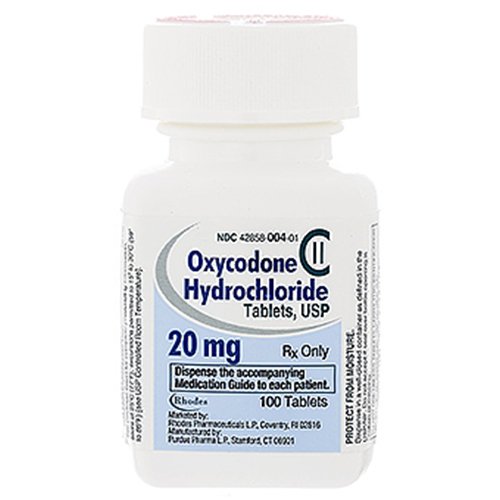
Oxycodone | Buy Oxycodone Online
Price range: € 390,00 through € 1 250,00
Oxycodone hydrochloride is a potent semi-synthetic opioid analgesic widely prescribed for the management of moderate to severe pain. As a hydrochloride salt form of oxycodone, this formulation enhances the drug’s stability and water solubility, making it suitable for various administration routes.
Oxycodone Hydrochloride: Complete Medical Guide for Pain Management
Oxycodone hydrochloride is a potent semi-synthetic opioid analgesic widely prescribed for the management of moderate to severe pain. As a hydrochloride salt form of oxycodone, this formulation enhances the drug’s stability and water solubility, making it suitable for various administration routes. First developed in Germany in 1916 as an alternative to other opioids, oxycodone has become one of the most commonly prescribed opioids in the United States, available in numerous formulations including immediate-release and extended-release tablets. This comprehensive guide provides essential information about oxycodone hydrochloride’s uses, dosage guidelines, potential side effects, risks, and important safety considerations for patients and healthcare providers.
What Is Oxycodone Hydrochloride and How Does It Work?
Oxycodone hydrochloride is the salt form of oxycodone, a semi-synthetic opioid derived from thebaine, an alkaloid found in the opium poppy. The hydrochloride formulation improves the drug’s stability and water solubility, allowing for various administration methods. Like other opioids, oxycodone hydrochloride functions primarily as a mu-opioid receptor agonist in the central nervous system, altering pain perception and emotional response to pain. It also produces effects at kappa and delta opioid receptors, contributing to its comprehensive analgesic profile.
Oxycodone hydrochloride is available in several formulations:
- Immediate-release tablets (5 mg, 10 mg, 15 mg, 30 mg)
- Extended-release tablets (10 mg, 15 mg, 20 mg, 30 mg, 40 mg, 60 mg, 80 mg)
- Oral solution
- Injectable solution (less common)
- Capsules (immediate-release)
Medical Uses and Indications
Oxycodone hydrochloride is FDA-approved for the management of moderate to severe pain where opioid analgesia is appropriate. Healthcare providers may prescribe oxycodone hydrochloride for various pain conditions, including: Oxycodone
- Cancer-related pain
- Post-surgical pain
- Severe injury-related pain
- Chronic pain unresponsive to non-opioid analgesics
- Pain management for palliative care. Oxycodone
- Breakthrough pain in cancer patients already on opioid therapy
The extended-release formulations are specifically designed for patients who require continuous, around-the-clock opioid treatment for an extended period and should not be used for as-needed pain relief.
Dosage Guidelines and Administration
The appropriate dosage of oxycodone hydrochloride depends on numerous factors, including the patient’s age, pain severity, previous opioid exposure, medical condition, and response to treatment. Always follow your healthcare provider’s specific dosing instructions.
Immediate-Release Oxycodone Hydrochloride
- Opioid-naïve adults: 5-15 mg orally every 4-6 hours as needed
- Maximum daily dose: Varies based on individual patient factors
- Elderly patients: Typically require lower doses due to increased sensitivity. Oxycodone
Extended-Release Oxycodone Hydrochloride
- Adults: 10 mg orally every 12 hours
- Dose adjustments should be made carefully and at appropriate intervals. Oxycodone
- Should not be used in opioid-naïve patients
Important dosage considerations:
- Take with or without food
- Swallow extended-release tablets whole; do not crush, chew, or break them. Oxycodone
- Do not exceed the prescribed dose
- Do not suddenly stop taking oxycodone hydrochloride without medical supervision
Common Side Effects
The most frequently reported side effects of oxycodone hydrochloride include:
- Nausea and vomiting
- Dizziness or lightheadedness
- Drowsiness
- Headache
- Constipation
- Dry mouth
- Sweating
- Fatigue
- Itching or rash
- Mental confusion
These side effects may decrease as your body adjusts to the medication. However, if they persist or worsen, contact your healthcare provider.
Serious Risks and Warnings
Addiction and Dependence
Oxycodone hydrochloride carries a significant risk of addiction, abuse, and misuse, which can lead to overdose and death. The risk is higher in patients with a history of substance abuse or mental health disorders. Take oxycodone hydrochloride exactly as prescribed to minimize these risks.
Respiratory Depression
Like all opioids, oxycodone hydrochloride can cause life-threatening respiratory depression (slowed breathing). The risk is highest during the first 24-72 hours of treatment and after dose increases. Seek immediate medical attention if you experience difficulty breathing, extreme drowsiness, or inability to stay awake.
Neonatal Opioid Withdrawal Syndrome
Prolonged oxycodone hydrochloride use during pregnancy can cause neonatal opioid withdrawal syndrome in newborns, which may be life-threatening if not recognized and treated.
Adrenal Insufficiency
Oxycodone hydrochloride may cause adrenal insufficiency, characterized by symptoms such as nausea, vomiting, loss of appetite, fatigue, weakness, dizziness, and low blood pressure.
Severe Hypotension
Oxycodone hydrochloride can cause severe hypotension (low blood pressure), particularly in patients whose ability to maintain blood pressure is compromised.
Drug Interactions
Oxycodone hydrochloride can interact with numerous medications, potentially causing serious adverse effects:
Major Interactions
- Other opioids, benzodiazepines, alcohol, and CNS depressants
- MAO inhibitors (isocarboxazid, phenelzine, selegiline, tranylcypromine)
- Certain antidepressants and antipsychotics
- Muscle relaxants and sleep medications
Moderate Interactions
- Antihistamines
- Certain antifungal medications
- Some antibiotics and antiviral drugs
- Medications that affect heart rhythm
Always inform your healthcare provider about all medications, supplements, and herbal products you use before starting oxycodone hydrochloride.
Special Precautions and Contraindications
Oxycodone hydrochloride should not be used in certain situations:
- Significant respiratory depression
- Acute or severe bronchial asthma
- Known or suspected gastrointestinal obstruction
- Hypersensitivity to oxycodone hydrochloride or opioids
Use with caution in patients with:
- Kidney or liver impairment
- History of seizures or head trauma
- Pancreatitis or biliary tract disease
- Prostatic hypertrophy or urethral stricture
- Addison’s disease
- Hypothyroidism
- Toxic psychosis
Elderly patients and those with debilitated conditions may be more sensitive to oxycodone hydrochloride’s effects and require dose adjustments.
Withdrawal and Discontinuation
Physical dependence can develop with regular oxycodone hydrochloride use. Do not abruptly discontinue the medication as this can precipitate withdrawal symptoms including:
- Anxiety
- Insomnia
- Sweating
- Pain
- Tremors
- Nausea
- Diarrhea
- Gooseflesh
- Increased blood pressure
Your healthcare provider will gradually taper your dose if discontinuation is necessary.
Overdose Recognition and Management
Symptoms of oxycodone hydrochloride overdose may include:
- Extreme drowsiness or inability to stay awake
- Slow or shallow breathing
- Pinpoint pupils
- Cold, clammy skin
- Muscle weakness
- Slow heart rate
- Fainting or loss of consciousness
- Respiratory arrest
Oxycodone hydrochloride overdose is a medical emergency requiring immediate attention. Naloxone may be used to reverse opioid effects in emergency situations.
Legal and Regulatory Status
Oxycodone hydrochloride is classified as a Schedule II controlled substance in the United States, indicating it has accepted medical use but potential for abuse and dependence. Regulations regarding prescription, storage, and disposal vary by jurisdiction.
Storage and Disposal
- Store at room temperature, away from moisture and heat
- Keep out of reach of children and pets
- Secure storage to prevent theft or misuse
- Properly dispose of unused medication through drug take-back programs or following FDA guidelines
Patient Education Tips
- Take oxycodone hydrochloride exactly as prescribed
- Never share your medication with others
- Avoid alcohol and other CNS depressants while using oxycodone hydrochloride
- Do not drive or operate machinery until you know how oxycodone hydrochloride affects you
- Report any concerning side effects to your healthcare provider
- Keep follow-up appointments and communicate any changes in your condition
Oxycodone hydrochloride is an effective pain medication when used appropriately under medical supervision for moderate to severe pain. Its enhanced solubility makes it versatile for various administration routes, and its proven efficacy maintains its position as a commonly prescribed opioid analgesic. However, it carries significant risks including addiction, respiratory depression, and potentially dangerous drug interactions. Patients should work closely with their healthcare providers to ensure safe and effective use, carefully weighing the benefits against potential risks. Always follow prescribed dosages and report any concerning symptoms promptly to your medical team.
| Quantity | 10mg, 15mg, 20mg, 30mg, 40mg, 60mg, 80mg |
|---|
Be the first to review “Oxycodone | Buy Oxycodone Online”
Related products
Anxiety/Pain Pills
Anxiety/Pain Pills
Anxiety/Pain Pills
Anxiety/Pain Pills
Anxiety/Pain Pills
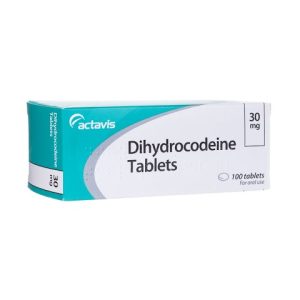
Anxiety/Pain Pills
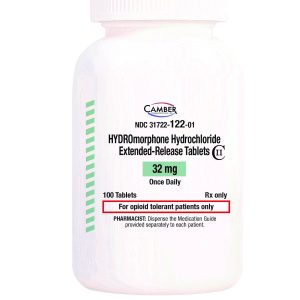
Anxiety/Pain Pills
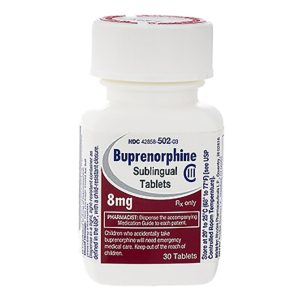
Anxiety/Pain Pills
Reviews
There are no reviews yet.