
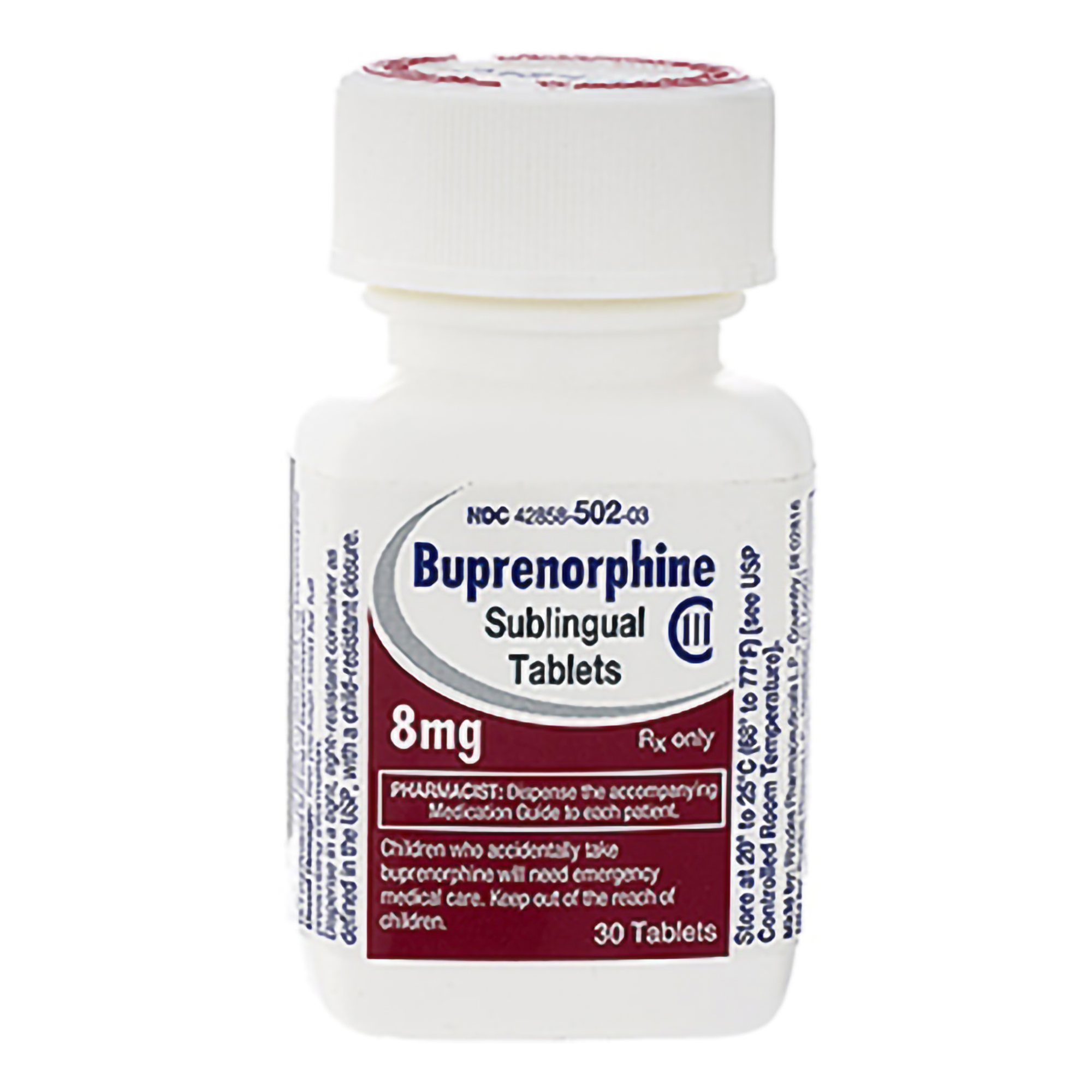
Buprenorphine | 8mg 30Tablets
Original price was: € 350,00.€ 250,00Current price is: € 250,00.
Buprenorphine is a unique semi-synthetic opioid medication that serves dual purposes in medicine: as a potent analgesic for pain management and as a cornerstone medication for opioid use disorder (OUD) treatment
Buprenorphine: Complete Medical Guide for Pain Management and Opioid Dependence
Buprenorphine is a unique semi-synthetic opioid medication that serves dual purposes in medicine: as a potent analgesic for pain management and as a cornerstone medication for opioid use disorder (OUD) treatment. Developed in the late 1960s, buprenorphine’s distinctive pharmacological properties set it apart from other opioids, making it both effective and relatively safer for certain applications. This comprehensive guide provides essential information about buprenorphine’s uses, dosage guidelines, potential side effects, risks, and important safety considerations for patients and healthcare providers.
What Is Buprenorphine and How Does It Work?
Buprenorphine is a semi-synthetic opioid derived from thebaine, an alkaloid of the opium poppy. Its unique mechanism of action as a partial mu-opioid receptor agonist and kappa receptor antagonist gives it distinctive properties:
- Partial Agonist Activity: Produces sufficient opioid effects for analgesia and addiction treatment but with a ceiling effect that limits respiratory depression
- High Receptor Affinity: Binds strongly to opioid receptors, blocking other opioids from attaching
- Slow Dissociation: Remains bound to receptors longer than full agonists, reducing withdrawal symptoms
- Kappa Antagonism: May contribute to its antidepressant effects and reduced dysphoria
Buprenorphine is available in several formulations:
- Sublingual tablets (Subutex)
- Sublingual films (Suboxone when combined with naloxone)
- Transdermal patches (Butrans)
- Injectable solutions (Buprenex)
- Extended-release injections (Sublocade, Probuphine)
Medical Uses and Indications
Buprenorphine has two primary FDA-approved indications:
Opioid Use Disorder Treatment
- Maintenance treatment for opioid dependence
- Medically supervised withdrawal from opioids
- Harm reduction approach to reduce illicit opioid use
- Prevention of withdrawal symptoms and cravings
Pain Management
- Moderate to severe chronic pain
- Neuropathic pain
- Cancer-related pain
- Pain requiring around-the-clock opioid treatment
The specific formulation used depends on the indication, with sublingual products typically used for OUD and patches/injectables for pain management.
Dosage Guidelines and Administration
The appropriate dosage of buprenorphine depends on the indication, formulation, patient characteristics, and treatment goals.
For Opioid Use Disorder
- Induction: 2-8 mg sublingually on day one, adjusted based on response
- Maintenance: Typically 8-24 mg daily, adjusted individually
- Supervised Withdrawal: Gradual taper over weeks to months
For Pain Management
- Transdermal Patch: 5-20 mcg/hour patch applied every 7 days
- Injectable: 0.3 mg intramuscularly every 6 hours as needed
- Sublingual: 0.2-0.4 mg every 6-8 hours as needed
Important administration considerations:
- Sublingual formulations must be held under the tongue until completely dissolved
- Patches should be applied to clean, dry, non-irritated skin
- Rotate patch sites to prevent skin irritation
- Do not abruptly discontinue without medical supervision
Common Side Effects
The most frequently reported side effects of buprenorphine include:
- Nausea and vomiting
- Headache
- Dizziness or lightheadedness
- Drowsiness
- Constipation
- Sweating
- Dry mouth
- Fatigue
- Insomnia
- Itching or rash
These side effects may decrease as your body adjusts to the medication. However, if they persist or worsen, contact your healthcare provider.
Serious Risks and Warnings
Respiratory Depression
While buprenorphine carries a lower risk of respiratory depression than full opioid agonists due to its ceiling effect, the risk still exists, particularly when:
- Combined with other CNS depressants (benzodiazepines, alcohol, other opioids)
- Used at higher than recommended doses
- Used in opioid-naïve individuals
- Administered intravenously
Dependence and Withdrawal
Physical dependence can develop with regular buprenorphine use. Withdrawal symptoms may include:
- Anxiety
- Insomnia
- Sweating
- Muscle aches
- Runny nose
- Gooseflesh
- Abdominal cramps
- Diarrhea
Hepatotoxicity
Buprenorphine may cause liver injury, particularly with intravenous administration. Symptoms include:
- Dark urine
- Fatigue
- Loss of appetite
- Light-colored stools
- Yellowing of skin or eyes
Adrenal Insufficiency
Buprenorphine may cause adrenal insufficiency, characterized by symptoms such as nausea, vomiting, loss of appetite, fatigue, weakness, dizziness, and low blood pressure.
Drug Interactions
Buprenorphine can interact with numerous medications, potentially causing serious adverse effects:
Major Interactions
- Benzodiazepines and other CNS depressants (increased sedation and respiratory depression)
- Other opioids (reduced efficacy of buprenorphine)
- CYP3A4 inhibitors (macrolide antibiotics, azole antifungals, protease inhibitors)
- CYP3A4 inducers (carbamazepine, phenytoin, rifampin)
Moderate Interactions
- Certain antidepressants and antipsychotics
- Muscle relaxants
- Sleep medications
- Alcohol
Always inform your healthcare provider about all medications, supplements, and herbal products you use before starting buprenorphine.
Special Precautions and Contraindications
Buprenorphine should not be used in certain situations:
- Significant respiratory depression
- Acute or severe bronchial asthma
- Known hypersensitivity to buprenorphine
- Paralytic ileus
Use with caution in patients with:
- Liver impairment
- Kidney impairment
- Head trauma or increased intracranial pressure
- Seizure disorders
- Adrenal insufficiency
- Prostatic hypertrophy
- Gallbladder disease
- Pancreatitis
Elderly patients and those with debilitated conditions may be more sensitive to buprenorphine’s effects and require dose adjustments.
Buprenorphine vs. Methadone
Both buprenorphine and methadone are used for opioid use disorder treatment, but they have key differences:
| Feature | Buprenorphine | Methadone |
|---|---|---|
| Regulation | Schedule III | Schedule II |
| Prescribing | Can be prescribed by qualified physicians | Restricted to specialized clinics |
| Ceiling Effect | Yes (limits respiratory depression) | No |
| Withdrawal | Milder, shorter duration | More severe, prolonged |
| Drug Interactions | Fewer CYP interactions | More significant interactions |
| Access | More accessible | More restricted |
Legal and Regulatory Status
Buprenorphine is classified as a Schedule III controlled substance in the United States, indicating it has accepted medical use but potential for moderate to low physical dependence or high psychological dependence. Special regulations apply to its prescription for opioid use disorder treatment, requiring specific training and waiver for healthcare providers.
Storage and Disposal
- Store at room temperature, away from moisture and heat
- Keep out of reach of children and pets
- Secure storage to prevent theft or misuse
- Properly dispose of unused medication through drug take-back programs or following FDA guidelines
Patient Education Tips
- Take buprenorphine exactly as prescribed
- Never share your medication with others
- Avoid alcohol and other CNS depressants while using buprenorphine
- Do not drive or operate machinery until you know how buprenorphine affects you
- Report any concerning side effects to your healthcare provider
- Keep follow-up appointments and communicate any changes in your condition
Buprenorphine represents an important advancement in both pain management and opioid use disorder treatment. Its unique pharmacological profile offers benefits over traditional opioids, particularly the reduced risk of respiratory depression and its utility in addiction treatment. However, it still carries significant risks and requires careful medical supervision. When used appropriately under medical guidance, buprenorphine can be an effective tool for managing pain and helping individuals recover from opioid dependence. Always follow prescribed dosages and maintain open communication with your healthcare provider about any concerns or side effects.
Be the first to review “Buprenorphine | 8mg 30Tablets”
Related products
Anxiety/Pain Pills
Anxiety/Pain Pills
Anxiety/Pain Pills
Anxiety/Pain Pills

Anxiety/Pain Pills
Anxiety/Pain Pills
Anxiety/Pain Pills

Cocaine Products
Reviews
There are no reviews yet.