
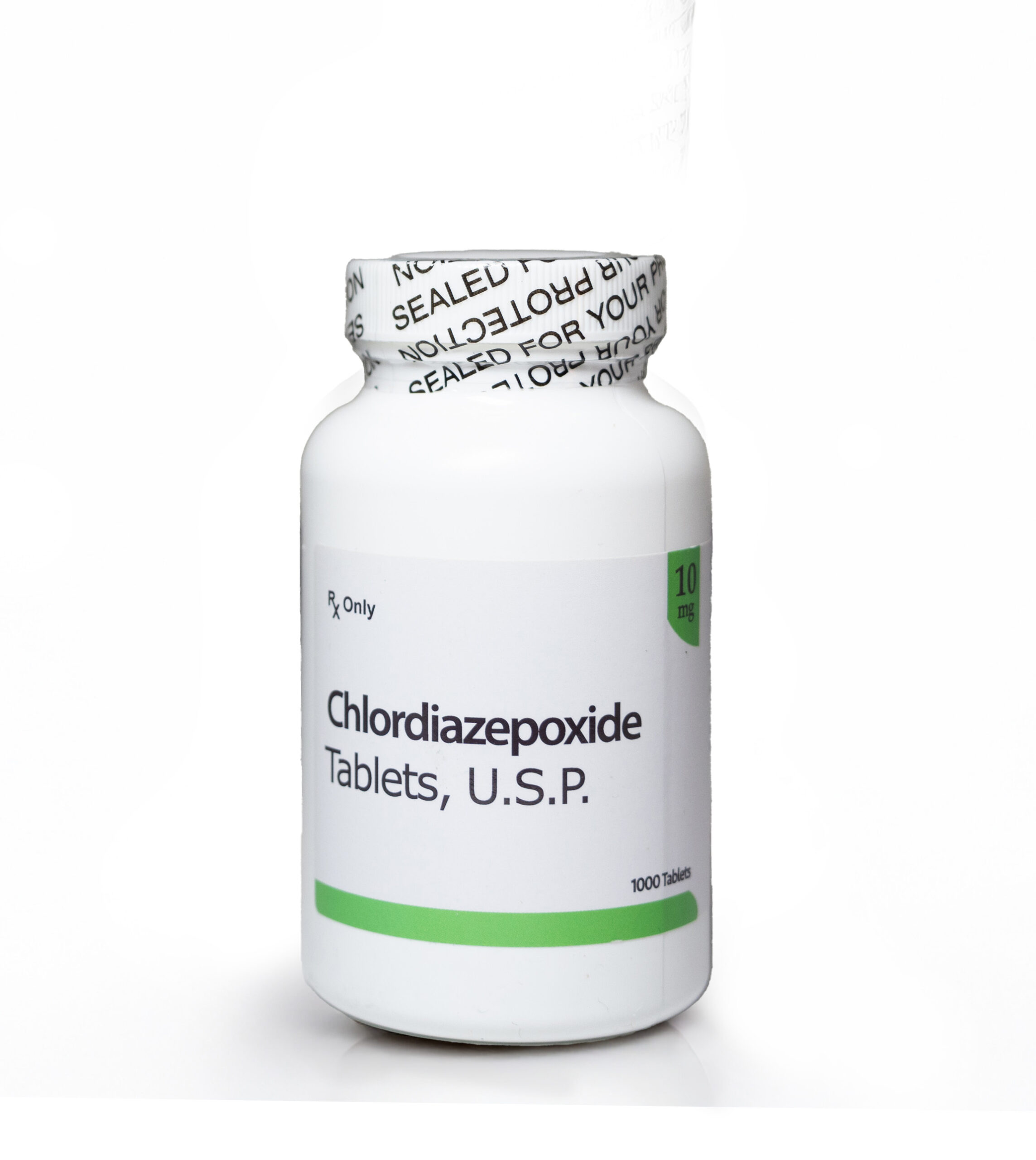
Chlordiazepoxide | Buy Chlordiazepoxide Online 100Tablets
Price range: € 150,00 through € 250,00
Chlordiazepoxide, widely known by the brand name Librium, was the first benzodiazepine developed and remains a valuable medication in the treatment of anxiety disorders and alcohol withdrawal syndrome. Discovered in 1955 by Leo Sternbach, chlordiazepoxide paved the way for the entire benzodiazepine class of medications that revolutionized anxiety treatment.
Chlordiazepoxide: Complete Medical Guide for Anxiety and Alcohol Withdrawal
Chlordiazepoxide, widely known by the brand name Librium, was the first benzodiazepine developed and remains a valuable medication in the treatment of anxiety disorders and alcohol withdrawal syndrome. Discovered in 1955 by Leo Sternbach, chlordiazepoxide paved the way for the entire benzodiazepine class of medications that revolutionized anxiety treatment. Its long duration of action and efficacy in managing alcohol withdrawal symptoms make it particularly useful in specific clinical settings. This comprehensive guide provides essential information about chlordiazepoxide’s uses, dosage guidelines, potential side effects, risks, and important safety considerations for patients and healthcare providers. Chlordiazepoxide
What Is Chlordiazepoxide and How Does It Work? chlordiazepoxide brand name
Chlordiazepoxide belongs to the benzodiazepine class of medications and functions as a positive allosteric modulator of the GABA-A receptor. By enhancing the effects of gamma-aminobutyric acid (GABA), the primary inhibitory neurotransmitter in the central nervous system, chlordiazepoxide produces anxiolytic, sedative, hypnotic, and muscle relaxant effects. Chlordiazepoxide
Key pharmacological properties of chlordiazepoxide include:
- Long Duration of Action: With an elimination half-life of 24-48 hours and active metabolites with even longer half-lives
- Rapid Onset: Oral administration typically produces effects within 30-60 minutes
- Multiple Active Metabolites: Including desmethylchlordiazepoxide and demoxepam, which contribute to its prolonged action
- High Protein Binding: Approximately 96% bound to plasma proteins
Chlordiazepoxide is available in several formulations:
- Oral capsules (5 mg, 10 mg, 25 mg)
- Oral tablets (5 mg, 10 mg, 25 mg)
- Injectable solution (for hospital use)
Medical Uses and Indications | chlordiazepoxide drug class
Chlordiazepoxide is FDA-approved for several medical conditions:
Anxiety Disorders
- Management of anxiety disorders or short-term relief of anxiety symptoms
- Anxiety associated with depression
- Preoperative apprehension and anxiety
- Tension and agitation
Alcohol Withdrawal Syndrome
- Management of acute alcohol withdrawal symptoms
- Prevention of delirium tremens
- Reduction of tremors, agitation, and hallucinations associated with alcohol withdrawal
Other Uses
- Skeletal muscle spasm relief
- Adjunctive treatment for certain seizure types
Dosage Guidelines and Administration
The appropriate dosage of chlordiazepoxide depends on the indication, patient characteristics, and response to treatment.
For Anxiety Disorders
- Adults: 5-25 mg orally 3-4 times daily as needed
- Elderly or debilitated patients: 5 mg 2-3 times daily initially
- Children: Not typically recommended for anxiety in pediatric patients
For Alcohol Withdrawal
- Adults: 25-100 mg orally, followed by 25-100 mg as needed
- Typical regimen: 50-100 mg on day 1, then tapering over 3-5 days
- Severe withdrawal: May require higher doses or parenteral administration
Important administration considerations:
- Use the lowest effective dose for the shortest duration possible
- Dosage should be individualized based on response and tolerance
- Do not exceed recommended dosages
- Do not abruptly discontinue without medical supervision
Common Side Effects | chlordiazepoxide side effects
The most frequently reported side effects of chlordiazepoxide include:
- Drowsiness and fatigue
- Dizziness or lightheadedness
- Muscle weakness
- Ataxia (impaired coordination)
- Confusion
- Slurred speech
- Constipation
- Dry mouth
- Changes in appetite
- Blurred vision
- Skin rash
These side effects may decrease as your body adjusts to the medication. However, if they persist or worsen, contact your healthcare provider.
Serious Risks and Warnings
Dependence and Withdrawal
Physical and psychological dependence can develop with regular chlordiazepoxide use, particularly with prolonged treatment or higher doses. Withdrawal symptoms may include:
- Tremors
- Sweating
- Anxiety
- Insomnia
- Irritability
- Muscle cramps
- Abdominal cramps
- Vomiting
- Seizures (in severe cases)
Cognitive Impairment
Chlordiazepoxide can cause significant cognitive impairment, including:
- Memory problems
- Reduced attention span
- Impaired judgment
- Decreased psychomotor performance
Paradoxical Reactions
In rare cases, chlordiazepoxide may cause paradoxical reactions, including:
- Increased anxiety
- Agitation
- Aggression
- Hallucinations
- Hyperactivity
Respiratory Depression
When combined with other CNS depressants, chlordiazepoxide can cause respiratory depression, particularly in vulnerable populations.
Drug Interactions | chlordiazepoxide side effects
Chlordiazepoxide can interact with numerous medications, potentially causing serious adverse effects:
Major Interactions
- Other CNS depressants (alcohol, opioids, barbiturates, other benzodiazepines)
- Certain antidepressants (fluoxetine, fluvoxamine)
- Antipsychotics
- Anticonvulsants
- Antihistamines
- Muscle relaxants
Moderate Interactions
- Oral contraceptives
- Cimetidine
- Ranitidine
- Certain antibiotics
- Antifungal medications
- Disulfiram (inhibits metabolism, increasing levels)
Always inform your healthcare provider about all medications, supplements, and herbal products you use before starting chlordiazepoxide.
Special Precautions and Contraindications
Chlordiazepoxide should not be used in certain situations:
- Known hypersensitivity to chlordiazepoxide or other benzodiazepines
- Acute narrow-angle glaucoma
- Significant liver disease
- Sleep apnea syndrome
- Severe respiratory insufficiency
- Pregnancy (particularly first trimester)
Use with caution in patients with:
- Myasthenia gravis
- Kidney impairment
- Porphyria
- Depression
- History of substance abuse
- Elderly patients
- Patients with compromised respiratory function
Tolerance, Dependence, and Withdrawal | chlordiazepoxide clidinium
Tolerance Development
Tolerance to chlordiazepoxide’s therapeutic effects can develop with prolonged use, particularly to:
- Sedative effects
- Hypnotic effects
- Anticonvulsant effects
Physical Dependence
Physical dependence can develop after just weeks of regular use, characterized by withdrawal symptoms upon discontinuation.
Withdrawal Management
Discontinuation should be gradual, with dose reductions of:
- 5-10 mg every 1-2 weeks for short-term users
- Slower tapering for long-term users
- Alternative benzodiazepines with longer half-lives may be used for tapering
Overdose Recognition and Management | chlordiazepoxide 25 mg
Symptoms of chlordiazepoxide overdose may include:
- Extreme drowsiness
- Confusion
- Impaired motor function
- Diminished reflexes
- Coma
- Respiratory depression
- Hypotension
- Cardiovascular collapse (in severe cases)
Chlordiazepoxide overdose is a medical emergency requiring immediate attention. Flumazenil may be used as an antidote in hospital settings, though its use requires careful consideration.
Legal and Regulatory Status
Chlordiazepoxide is classified as a Schedule IV controlled substance in the United States, indicating it has accepted medical use but potential for abuse and dependence. Regulations regarding prescription, storage, and disposal vary by jurisdiction.
Storage and Disposal
- Store at room temperature, away from moisture and heat
- Keep out of reach of children and pets
- Secure storage to prevent theft or misuse
- Properly dispose of unused medication through drug take-back programs or following FDA guidelines
Patient Education Tips
- Take chlordiazepoxide exactly as prescribed
- Never share your medication with others
- Avoid alcohol and other CNS depressants while using chlordiazepoxide
- Do not drive or operate machinery until you know how chlordiazepoxide affects you
- Report any concerning side effects to your healthcare provider
- Keep follow-up appointments and communicate any changes in your condition
Chlordiazepoxide vs. Other Benzodiazepines
| Feature | Chlordiazepoxide | Diazepam | Lorazepam | Alprazolam |
|---|---|---|---|---|
| Half-life | 24-48 hours | 20-100 hours | 10-20 hours | 6-12 hours |
| Onset of Action | 30-60 minutes | 15-30 minutes | 15-30 minutes | 15-30 minutes |
| Primary Use | Anxiety, Alcohol withdrawal | Anxiety, Seizures, Muscle spasms | Anxiety, Seizures | Anxiety, Panic disorder |
| Active Metabolites | Yes | Yes | No | No |
| Schedule | IV | IV | IV | IV |
Chlordiazepoxide remains an effective medication for anxiety disorders and alcohol withdrawal when used appropriately under medical supervision. Its long duration of action makes it particularly useful for managing alcohol withdrawal symptoms and providing sustained anxiety relief. However, it carries significant risks including dependence, cognitive impairment, and potentially dangerous drug interactions. Patients should work closely with their healthcare providers to ensure safe and effective use, carefully weighing the benefits against potential risks. Always
| Quantity | 5mg, 10mg, 25mg |
|---|
Be the first to review “Chlordiazepoxide | Buy Chlordiazepoxide Online 100Tablets”
Related products
Anxiety/Pain Pills

Anxiety/Pain Pills
Anxiety/Pain Pills
Anxiety/Pain Pills
Anxiety/Pain Pills
Anxiety/Pain Pills
Anxiety/Pain Pills
Anxiety/Pain Pills
Reviews
There are no reviews yet.