
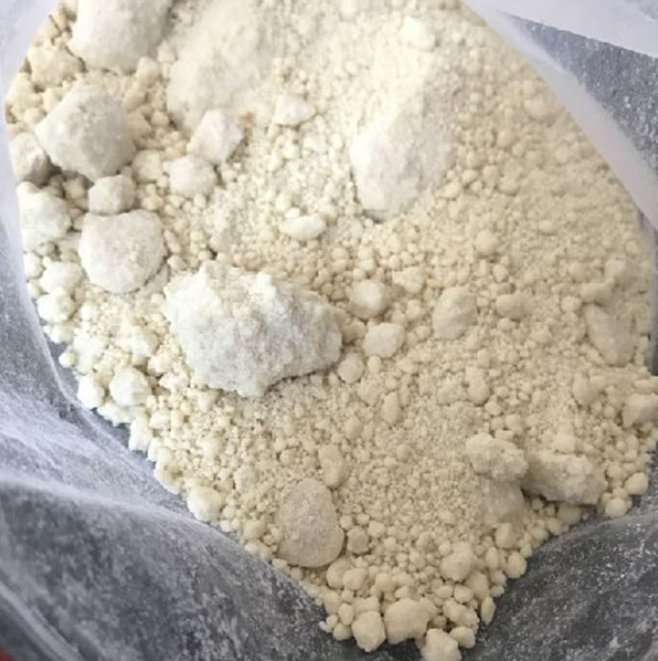
5F-ADB | Bulk Supply 5f-adb Online
Price range: € 1 120,00 through € 13 440,00
5F-ADB, also known as 5F-MDMB-PINACA, is a highly potent synthetic cannabinoid that has been associated with severe adverse effects and fatalities. As of 2026, 5F-ADB is classified as a Schedule I controlled substance in the United States, making it illegal to manufacture, distribute, or possess under federal law. This comprehensive guide provides essential information about 5F-ADB’s current legal status, effects, risks, and important safety considerations.
5F-ADB: Complete Guide to Legal Status and Effects
5F-ADB, also known as 5F-MDMB-PINACA, is a highly potent synthetic cannabinoid that has been associated with severe adverse effects and fatalities. As of 2026, 5F-ADB is classified as a Schedule I controlled substance in the United States, making it illegal to manufacture, distribute, or possess under federal law. This comprehensive guide provides essential information about 5F-ADB’s current legal status, effects, risks, and important safety considerations.
Current Legal Status of 5F-ADB
Federal Classification
5F-ADB is classified as a Schedule I controlled substance under the United States Controlled Substances Act (CSA) This classification indicates that it is considered to have a high potential for abuse, no currently accepted medical use in treatment in the United States, and a lack of accepted safety for use under medical supervision.
Regulatory History
The Drug Enforcement Administration (DEA) has taken several regulatory actions regarding 5F-ADB:
- In 2018, 5F-ADB was the most common synthetic cannabinoid identified in DEA seizures.
- The DEA has temporarily scheduled 5F-ADB along with other synthetic cannabinoids based on findings that these substances posed an imminent hazard to public safety.
- While the search results primarily discuss extensions of temporary scheduling for other synthetic cannabinoids (4F-MDMB-BUTICA, ADB-4en-PINACA, 5F-EDMB-PICA, and MMB-FUBICA) 5F-ADB remains permanently scheduled as a Schedule I controlled substance.
State-Level Regulations
In addition to federal control, individual states may have additional regulations or penalties regarding 5F-ADB. Many states have enacted their own bans on synthetic cannabinoids, sometimes with broader definitions that can cover analogs and similar compounds.
What Is 5F-ADB?
5F-ADB (N-[[1-(5-fluoropentyl)-1H-indazol-3-yl]carbonyl]-3-methyl-D-valine methyl ester) is a synthetic cannabinoid belonging to the indazole-3-carboxamide family of compounds. It consists of an indazole core structure, a fluorinated pentyl chain, and a carboxamide linking group7.
Key characteristics of 5F-ADB:
- Chemical name: methyl 2-{1-(5-fluoropentyl)-1H-indazole-3-carbonyl] amino} 3,3-dimethylbutanoate
- Appearance: Typically found in powder form or mixed with dried leaves or herbal blends
- Method of use: Usually consumed by smoking or vaporizing
- Potency: Considered one of the most potent synthetic cannabinoids
Effects and Pharmacology
Mechanism of Action
5F-ADB primarily exerts its effects through the cannabinoid receptor systems in the brain. Research indicates that 5F-ADB activates local CB1 receptors and potentiates midbrain dopaminergic systems with no direct effects on midbrain serotonergic systems
Subjective Effects
Users of 5F-ADB report effects similar to marijuana, but often more intense and unpredictable:
- Euphoria and relaxation
- Altered perception
- Increased appetite
However, 5F-ADB is more commonly associated with severe adverse effects, including:
- Psychomotor agitation
- Impaired consciousness
- Severe anxiety
- Confusion
- Tachycardia (rapid heart rate)
- Psychosis
- Seizures
- Acute circulatory failure
Health Risks and Safety Concerns
Extreme Potency and Toxicity
5F-ADB is believed to be extremely potent based on the very low levels detected in tissue samples, and appears to be significantly more toxic than earlier synthetic cannabinoid drugs. It is considered one of the most potent synthetic cannabinoids and elicits severe psychotic symptoms in humans, sometimes causing death
Fatalities and Overdose Risk
5F-ADB has been linked to numerous fatalities:
- It was first identified in November 2014 from post-mortem samples taken from an individual who had died after using a product containing this substance
- Subsequent testing identified 5F-ADB in a total of ten people who had died from unexplained drug overdoses in Japan between September 2014 and December 2014
- Cases of death have been attributed to multiple drug toxicity involving 5F-ADB, with respiratory depression as a plausible mechanism of death
Dependence and Withdrawal
While specific information on 5F-ADB dependence is limited, synthetic cannabinoids in general can lead to dependence and withdrawal symptoms, which may include:
- Irritability and anxiety
- Insomnia and nightmares
- Headaches and sweating
- Depression and loss of appetite
- Cravings for the substance
Recent Resurgence in Detection
According to recent reports from 2025, 5F-ADB has made a resurgence after initially disappearing from the market
- NPS Discovery and the Center for Forensic Science Research and Education (CFSRE) have reported 5F-ADB as either the first or second most identified synthetic cannabinoid in cases sent to them7.
- Axis Forensic Toxicology has had recent detections of 5F-ADB via its metabolite in five different states – Florida, Indiana, Missouri, Ohio, and South Dakota7.
- There have been positive cases, particularly in the prison population7.
- Because 5F-ADB is rapidly metabolized/degraded to its 3,3-dimethylbutanoic acid metabolite by enzymes in the blood, it must be analyzed by monitoring the metabolic product7.
Legal Consequences
Under federal law, unauthorized activities involving 5F-ADB as a Schedule I controlled substance can result in:
- Significant fines
- Lengthy prison sentences
- Permanent criminal records
- Forfeiture of property
- Loss of professional licenses
Penalties vary based on the specific offense (possession, distribution, manufacturing), the quantity involved, and prior criminal history.
Comparison with Natural Marijuana
| Feature | 5F-ADB | Natural Marijuana |
|---|---|---|
| Legal Status | Schedule I controlled substance | Varies by state (federally Schedule I) |
| Potency | Extremely high and unpredictable | Varies by strain but typically less potent |
| Binding Affinity | Full agonist at CB1 receptors | Partial agonist at CB1 receptors |
| Safety Profile | High risk of severe adverse effects and death | Generally better tolerated |
| Consistency | Variable composition and purity | More consistent effects |
| Detection | Requires metabolite analysis | Detected by standard marijuana tests |
Harm Reduction Strategies
For those who choose to use 5F-ADB despite its legal status and risks, the following harm reduction strategies may help minimize potential negative outcomes:
- Start with extremely small amounts to gauge sensitivity
- Never use alone, especially when trying a new batch
- Avoid mixing with other substances, particularly alcohol or other depressants
- Have a sober person present who can call for help if needed
- Be aware of the signs of overdose and seek immediate medical attention if they occur
- Consider seeking help if use becomes compulsive or problematic
Resources and Support
For individuals seeking information about 5F-ADB or help with substance use issues, the following resources may be helpful:
- National Drug Helpline
- Local substance abuse treatment centers
- Poison Control Centers for acute concerns
- Mental health professionals for underlying issues
- Support groups for substance use disorders
5F-ADB is a highly potent synthetic cannabinoid currently classified as a Schedule I controlled substance in the United States, making it illegal to manufacture, distribute, or possess under federal law It produces marijuana-like effects but carries significantly higher health risks and unpredictable effects due to its extreme potency and toxicity The legal consequences of involvement with 5F-ADB can be severe, including substantial fines and imprisonment. Given these risks and legal status, avoiding 5F-ADB is strongly recommended. For those struggling with substance use issues, seeking professional help is the safest course of action.
| Quantity | 1Ounce, 1/4Pound, 1/2Pound, 1Pound |
|---|
Be the first to review “5F-ADB | Bulk Supply 5f-adb Online”
Related products
Research Chemicals
Research Chemicals
Research Chemicals
Research Chemicals
Research Chemicals
Reviews
There are no reviews yet.