
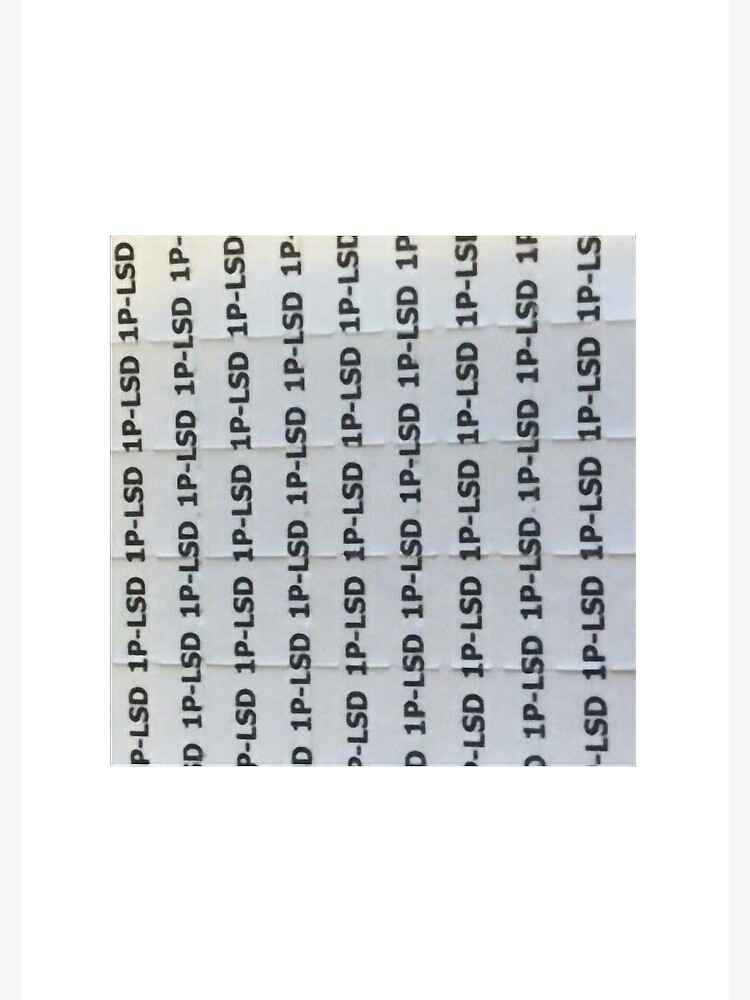
1p lsd | 1p lsd for sale 99% Pure
Price range: € 350,00 through € 5 600,00
1P-LSD (1-propionyl-lysergic acid diethylamide) is a synthetic psychedelic compound of the lysergamide class. As of 2026, 1P-LSD exists in a legal gray area in the United States, though it is considered a Schedule I substance under the Federal Analogue Act. This comprehensive guide provides essential information about 1P-LSD’s current legal status, effects, risks, and important safety considerations.
1P LSD: Complete Guide to Legal Status and Effects
1P-LSD (1-propionyl-lysergic acid diethylamide) is a synthetic psychedelic compound of the lysergamide class. As of 2026, 1P-LSD exists in a legal gray area in the United States, though it is considered a Schedule I substance under the Federal Analogue Act. This comprehensive guide provides essential information about 1P-LSD’s current legal status, effects, risks, and important safety considerations. 1p lsd
Current Legal Status of 1P-LSD
Federal Classification
1P-LSD is not specifically scheduled by name under the United States Controlled Substances Act (CSA). However, it is considered a Schedule I substance under the Federal Analogue Act due to its structural similarity to LSD, which is a Schedule I controlled substance. This means that 1P-LSD is treated as illegal for human consumption, though its status for research purposes remains ambiguous. 1p lsd
Regulatory History
The Drug Enforcement Administration (DEA) has not specifically targeted 1P-LSD in the same way as other research chemicals, but it is covered by the Federal Analogue Act: 1p lsd
- The Federal Analogue Act allows for the prosecution of compounds “substantially similar” to Schedule I substances if intended for human consumption.
- 1P-LSD is considered an analogue of LSD due to its similar chemical structure and effects.
- Several court cases have established that 1P-LSD can be prosecuted under this statute.
State-Level Regulations
In addition to federal control under the Analogue Act, individual states may have specific regulations regarding 1P-LSD:
- Some states have enacted their own bans on research chemicals, sometimes with broader definitions that can cover 1P-LSD.
- Other states have not specifically addressed 1P-LSD, leaving it in a legal gray area.
- The legal status can vary significantly from state to state. 1p lsd
What Is 1P-LSD?
1P-LSD is a synthetic psychedelic compound belonging to the lysergamide class. It is a derivative of LSD with a propionyl group attached to the nitrogen atom of the indole ring.
Key characteristics of 1P-LSD:
- Chemical name: 1-propionyl-lysergic acid diethylamide
- Chemical formula: C22H27N3O2
- Appearance: Typically found in blotter paper form, similar to LSD
- Method of use: Usually consumed orally by placing blotter paper under the tongue
- Dosage: Typically 50-150 micrograms, with effects lasting 8-12 hours
Effects and Pharmacology
Mechanism of Action
1P-LSD primarily exerts its effects through interactions with serotonin receptors in the brain, particularly the 5-HT2A receptor. Research suggests that 1P-LSD may be a prodrug of LSD, meaning it converts to LSD in the body, though it may also have activity in its own right.
Subjective Effects
Users of 1P-LSD report effects nearly identical to LSD, including:
- Visual hallucinations and distortions
- Enhanced sensory perception
- Emotional amplification
- Euphoria and introspection
- Altered sense of time
- Synesthesia (mixing of senses)
- Spiritual experiences
However, 1P-LSD can also produce challenging experiences, including:
- Intense anxiety and paranoia
- Confusion and disorientation
- Nausea and vomiting
- Physical discomfort
- Psychological distress
Health Risks and Safety Concerns
Physical Health Risks
1P-LSD has been associated with numerous health risks, including:
- Cardiovascular effects: Increased heart rate and blood pressure
- Neurological effects: Headaches and tremors
- Gastrointestinal effects: Nausea and abdominal pain
- Hyperthermia (dangerously high body temperature)
- Serotonin syndrome when combined with other serotonergic substances
Psychological Risks
The psychological risks associated with 1P-LSD can be significant:
- Bad trips with intense fear and panic
- Hallucinogen persisting perception disorder (HPPD)
- Exacerbation of underlying mental health conditions
- Triggering of psychosis in vulnerable individuals
- Persistent anxiety or depression after use
Overdose Risk
While fatal overdoses of 1P-LSD alone are extremely rare, they can occur, particularly at high doses or when combined with other substances. Signs of overdose may include:
- Extreme agitation or anxiety
- Seizures
- Hyperthermia
- Cardiovascular complications
- Loss of consciousness
Comparison with LSD
| Feature | 1P-LSD | LSD |
|---|---|---|
| Legal Status | Gray area (Analogue Act) | Schedule I controlled substance |
| Duration | 8-12 hours | 8-12 hours |
| Intensity | Similar to LSD | High intensity, particularly cognitive effects |
| Body Load | Similar to LSD | Minimal physical discomfort |
| Dosage | 50-150 micrograms | 50-200 micrograms |
| Research Status | Limited research | More extensive research |
Legal Consequences
Under federal law, unauthorized activities involving 1P-LSD as a Schedule I substance under the Federal Analogue Act can result in:
- Significant fines
- Lengthy prison sentences
- Permanent criminal records
- Forfeiture of property
- Loss of professional licenses
Penalties vary based on the specific offense (possession, distribution, manufacturing), the quantity involved, and prior criminal history.
Harm Reduction Strategies
For those who choose to use 1P-LSD despite its legal status and risks, the following harm reduction strategies may help minimize potential negative outcomes:
- Start with very low doses to gauge sensitivity
- Use in a safe, comfortable environment with trusted individuals
- Have a sober trip sitter present
- Avoid mixing with other substances, particularly alcohol or other psychedelics
- Be aware of the signs of psychological distress and seek help if needed
- Consider seeking professional help if use becomes compulsive or problematic
Resources and Support
For individuals seeking information about 1P-LSD or help with substance use issues, the following resources may be helpful:
- National Drug Helpline
- Local substance abuse treatment centers
- Poison Control Centers for acute concerns
- Mental health professionals for underlying issues
- Support groups for substance use disorders
1P-LSD is a synthetic psychedelic that exists in a legal gray area in the United States, though it is considered a Schedule I substance under the Federal Analogue Act due to its similarity to LSD. While it produces effects nearly identical to LSD, it carries significant health risks and unpredictable effects. The legal consequences of involvement with 1P-LSD can be severe, including substantial fines and imprisonment. Given these risks and legal ambiguity, avoiding 1P-LSD is strongly recommended. For those struggling with substance use issues, seeking professional help is the safest course of action.
| Quantity | Sheet of 50tabs, Sheet of 100tabs, Sheet of 900tabs |
|---|
Be the first to review “1p lsd | 1p lsd for sale 99% Pure”
Related products
Research Chemicals
Research Chemicals
Research Chemicals
Research Chemicals
Research Chemicals
Reviews
There are no reviews yet.